







Search Results for: understaffed stores
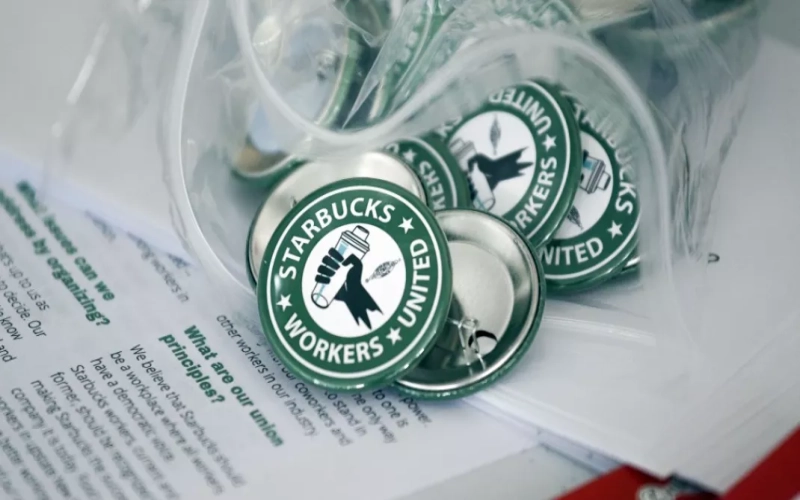
Why Are Starbucks Employees Forming Unions Everywhere? Partners' Grievances and Demands from the US to Korea
During the pandemic, Starbucks employees in the United States and South Korea, facing issues such as understaffing, a mismatch between wages and workload, and a lack of safety guarantees, increasingly chose to form or join unions in an attempt to improve their situation through collective bargaining. From the birth of the first union in Buffalo, New York, to responses from employees in Chicago and South Korea, the discontent among Starbucks partners continued to simmer. Although the company remained indifferent and was even accused of failing to provide adequate pandemic support, employees continued to seek channels to make their voices heard. This article will sort out the ins and outs of the Starbucks employee union movement, as well as the wage, treatment, and working environment issues reflected behind it. [more…]
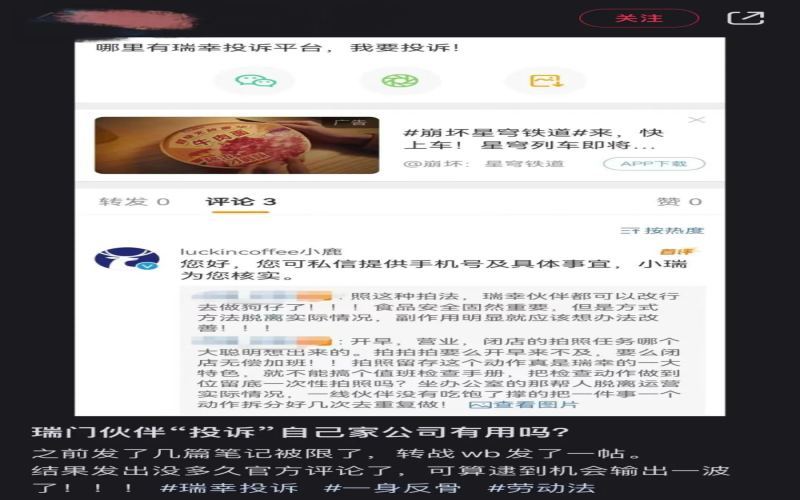
Luckin employees complain about the cumbersome store-closing photo process; unpaid overtime triggers a wave of resignations.
Recently, a Luckin Coffee employee posted on social media complaining that the company's store-closing procedures are too cumbersome, requiring staff to take photos and videos to document materials, which leads to almost daily overtime without overtime pay. Multiple employees followed up confirming similar experiences, pointing out that the strict photo-taking is for food safety and shelf-life management, but the high frequency and insufficient staffing have intensified dissatisfaction. In addition, timeliness assessments also stretch employees thin. These issues have long been ignored by the company, leading to soaring employee resentment, rising turnover rates, and increasingly serious chain problems such as store understaffing and inadequate training. Luckin Coffee now has over 13,000 stores, and employees are calling on the company to face up to its management loopholes. [more…]
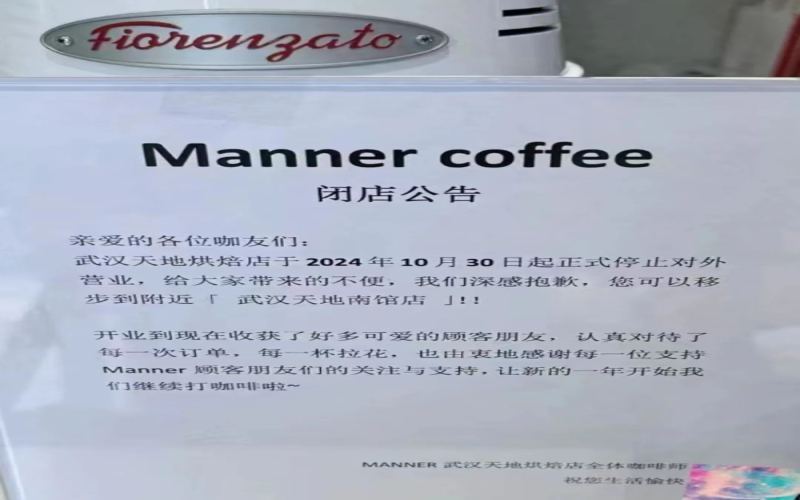
Manner's Wuhan-exclusive roasting store rumored to be closing, brand scales back roasting line to target lower-tier markets
Recent news suggests that Manner's only baking store in Wuhan may cease operations on October 30, prompting regret among many local consumers. Since opening in late 2021, this store, located in Wuhan Tiandi, has been one of the earliest Manner outlets in Wuhan and the only local Manner where baked goods can be purchased. Meanwhile, Manner has continued to shrink its baking business this year while accelerating its expansion into third- and fourth-tier cities, and customers have frequently mentioned the issue of understaffing at its stores. Front Street Coffee will also keep following this brand's developments. [more…]

Luckin employee left alone to run the store faces a restroom dilemma, forced to close and deal with bad reviews and performance review pressure.
At Luckin Coffee stores, it is not uncommon for a single employee to be on duty alone. When biological needs strike, leaving the post to use the restroom becomes a challenge: the receipt printer keeps spitting out orders, customers and delivery riders are waiting, and negative reviews are tied to wages—all of which put immense pressure on the staff. To address personal needs with peace of mind, some employees choose to temporarily close the store, pausing both online and offline orders; others indirectly suspend operations by cutting off water or coffee beans. Meanwhile, employees at brands like Manner and Cotti also face similar predicaments. Although understaffing can save operational costs, it may lead to frequent store closures, potentially damaging the brand image in the long run. This article will delve into the employee struggles and management contradictions behind this phenomenon. [more…]
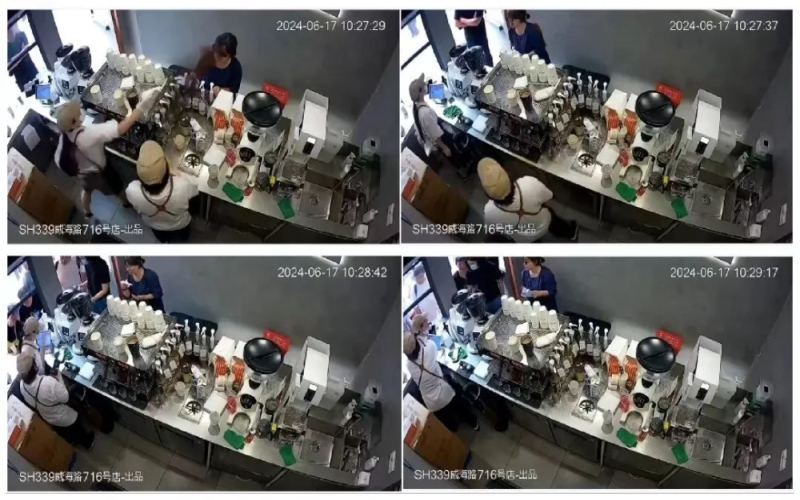
Manner Coffee Store Conflict Incident: Barista Emotional Outburst and Customer Dispute Spark Industry Reflection on Labor Practices
Recently, two intense disputes between staff and customers occurred at Manner Coffee stores in succession, drawing widespread attention. In one incident, due to slow service, an emotional staff member threw coffee powder at a customer, while another escalated into a physical conflict over order催促. The brand responded by dismissing the employees involved, but the issues reflected behind the incidents—such as understaffing at stores and excessive pressure on employees—have become the focus of discussion among netizens and loyal customers. As coffee enthusiasts, we can't help but ponder: while pursuing efficiency, how can we ensure service quality and employee rights? Front Street Coffee has always followed industry trends, advocating rational consumption and humanistic care. [more…]
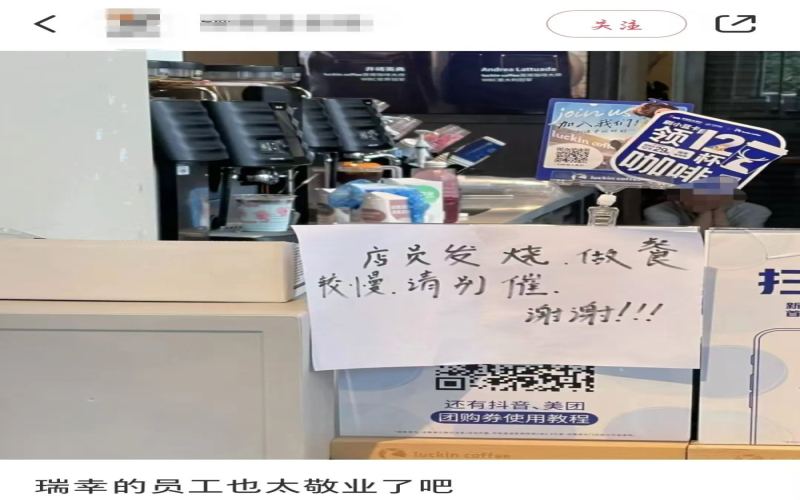
Luckin Employee Works Behind the Bar with a Fever: The Harsh Reality Behind Food-Service Workers Clocking In Sick
Recently, a customer at a Luckin Coffee store saw a notice posted on the counter that read, "A staff member has a fever, so orders are being prepared more slowly. Please don't rush us." The customer snapped a photo, which quickly sparked widespread discussion online. Some praised the employees' dedication, while others worried that preparing drinks while sick posed food safety risks. However, Luckin employees have expressed their helplessness: it's not that they don't want to rest, but that stores are understaffed and there is no one to cover their shifts, making sick leave almost a luxury. This phenomenon is not unique to Luckin; workers in the tea and coffee industries have all resonated with it. This article will recount the incident and explore the institutional and practical contradictions behind working while sick. [more…]
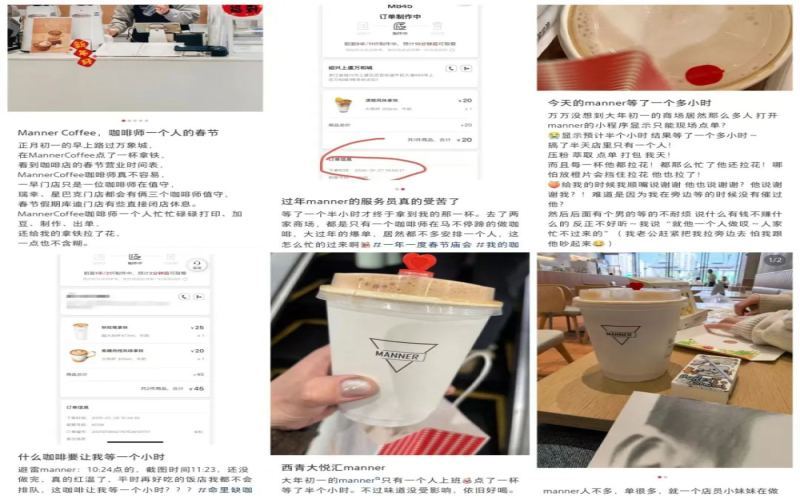
Spring Festival order surge with only one barista on duty—why was the Manner barista surrounded by orders and delivery riders?
Holding a cup of hot coffee can warm your hands, quench your thirst, and serve as a great prop for photos, making it a standard item for many people when traveling. However, recently some consumers have reported that after ordering at Manner, they had to wait over an hour just to get a hot latte. During the Spring Festival, some Manner stores in large supermarkets had only one barista on duty, who single-handedly handled everything from taking orders, adding beans, making drinks, explaining refunds, to packaging and handing out orders, staying busy non-stop. Customers arrived at the store based on the estimated time in the mini-program, only to find their drinks still queued up, with scenes of delivery riders crowding and customers urging frequently occurring. Although regulars sympathize with the staff, they also express dissatisfaction with the brand's staffing arrangements during holidays, believing that feedback on long serving times should be taken seriously to improve the consumer experience. [more…]
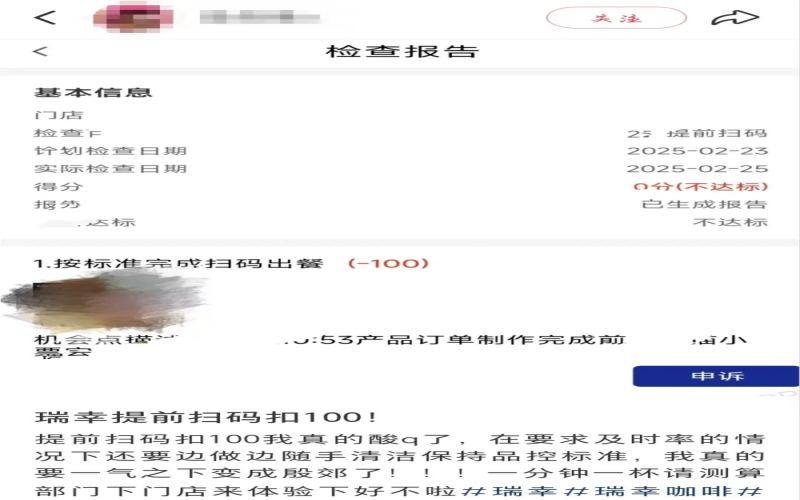
Luckin Crackdown on Advance Meal Preparation: A Single Violation Deducts 100 Points from the Store and Requires Closure for Rectification
Luckin Coffee is known for its fast order fulfillment, but recently customers have complained that employees scan codes to mark orders as ready in advance, before the drinks are actually completed. In response, Luckin's headquarters has begun strictly cracking down on such violations. Once auditors discover early order fulfillment, the store will directly have 100 baseline points deducted, causing the performance of all staff to suffer and requiring the store to close for rectification. Faced with the new policy, employees are caught in a dilemma: fulfilling orders early may lead to heavy penalties, while not doing so causes the on-time fulfillment rate to drop noticeably. In understaffed stores, baristas are forced to make a difficult choice between "performance point deductions" and "ugly data," and work pressure has surged. This article compiles feedback from employees in various regions to present the real store ecosystem under Luckin's new rules. [more…]
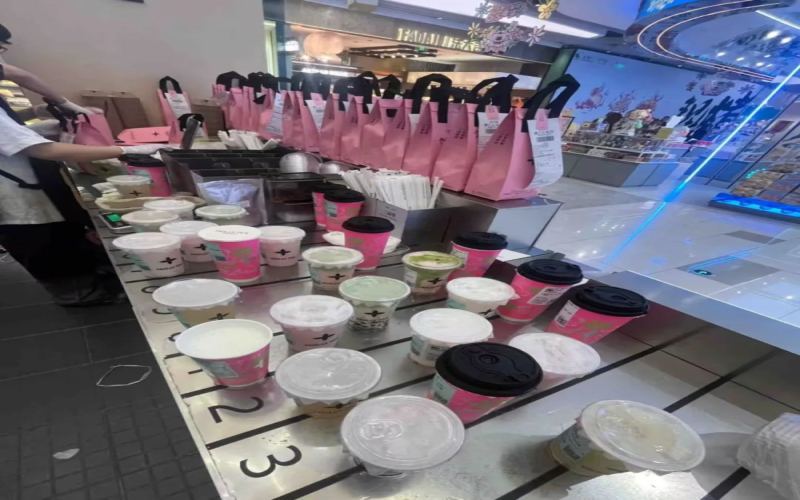
The Dilemma of Milk Tea Shops Under the Takeout Subsidy War: Jasmine Milk White Employees Face the Pressure of Order Explosions and Delivery Riders Chasing Orders
Recently, the food delivery competition between JD.com and Meituan has yet to subside, and Ele.me has now joined the fray with a large number of coupons and subsidies. While delivery users enjoy low-priced milk tea, staff at brands like Molly Tea are under unprecedented order pressure. Drinks that originally cost a dozen yuan per cup have seen their prices plummet to five or six yuan after platform subsidies, or even just a few cents, causing order volumes to instantly double or surge, with some stores handling as many as five or six hundred orders per day. Understaffing, material shortages, riders urging them on, and customer complaints have become the daily reality for these coffee and milk tea workers. This article will take you behind the scenes of this delivery subsidy frenzy to see the real working conditions and helplessness of frontline employees. [more…]
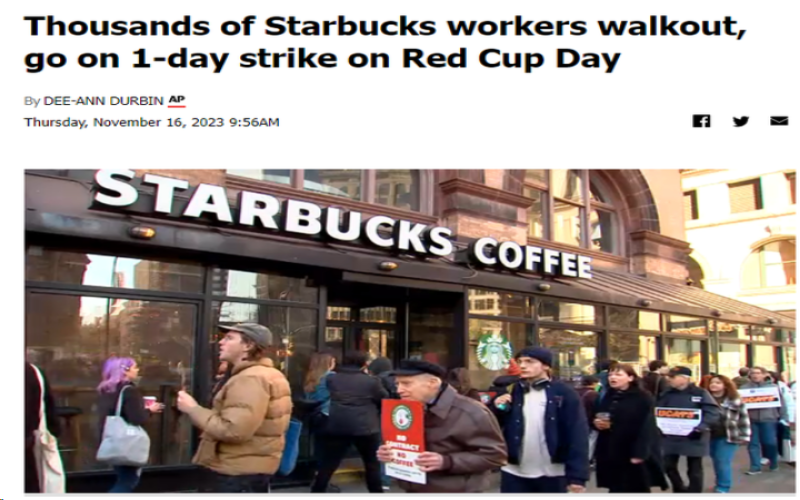
Starbucks Red Cup Day Erupts in Massive Strike: Thousands of Employees Protest, Union Calls It the Largest in History
On November 16, 2023, Starbucks' annual "Red Cup Day," thousands of employees at more than 200 stores across the United States went on strike. Organizers called it the largest labor action since the founding of Starbucks Workers United. Employees chose to strike during this peak ordering period, aiming to disrupt operations as much as possible and draw public attention. Behind the strike lies baristas' long-standing dissatisfaction with understaffing, overloaded orders, and the company's refusal to listen to their opinions. Starbucks officially responded that the union refused to schedule negotiation meetings. This one-day strike had limited impact on sales, but the public opinion fallout is worth watching. [more…]
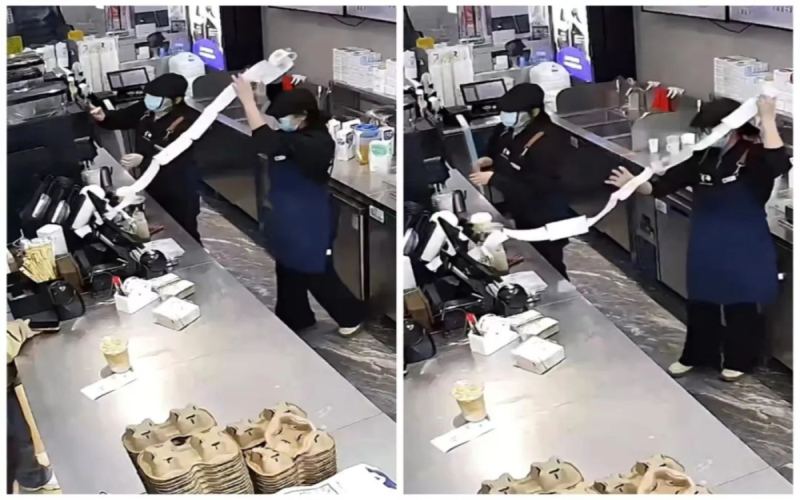
Luckin's frequent co-branding puts pressure on employees, highlighting the contradiction between manpower shortages and service experience.
Luckin Coffee's second collaboration with Line Puppy was supposed to be a fan-anticipated partnership, yet consumer feedback shifted toward excessively long waits and poor service attitudes. Frequent collaboration events bring order-surge pressure, and understaffed stores leave employees struggling to cope. From the chaos of peak hours to the predicament of actual working hours far exceeding paid hours, the working conditions of Luckin employees have drawn widespread attention. This article sorts out the operational contradictions behind the collaboration, as well as netizens' discussions about the brand's employment system, and reflects on the long-term impact of this model on service quality and brand image. [more…]

Nayuki's fruit and vegetable tea sparked heated discussion over mud and sand residue on the leaves; employees revealed that store cleaning procedures are done perfunctorily
Freshly squeezed fruit and vegetable teas have become the new trend in the tea beverage industry, with ingredients such as kale, carrots, and beetroot being widely used. While consumers are paying for health, some have found mud and sand in Nayuki drinks. A customer discovered stains remaining on the decorative kale leaves at the bottom of the "Slim Little Green Bottle" cup, and after wiping the stem with a tissue, obvious mud and sand were visible. The post attracted a great deal of attention, and some netizens claiming to be Nayuki employees left comments revealing that stores are short-staffed and the washing of fruits and vegetables is perfunctory. Behind the genuine ingredients of fruit and vegetable teas, food safety issues are cause for concern. [more…]
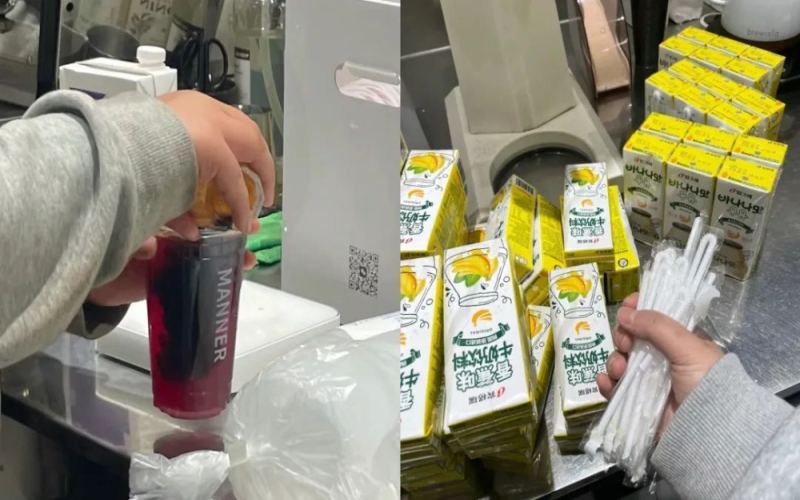
After Manner's stores exceeded a thousand, they urgently hired daily-paid packing part-timers, and veteran baristas complained about the pressure of training newcomers.
When Manner's nationwide store count surpassed one thousand, coffee enthusiasts cheered that they could finally check in nearby. At the same time, this chain brand is facing a severe shortage of frontline staff. To fill the barista gap, Manner began recruiting large numbers of daily-paid temp workers responsible only for packing, restocking, and cleaning, jokingly called "packers" by netizens. However, these part-timers change every day and cancel at the last minute without notice, forcing already busy full-time baristas to repeatedly train newcomers during peak hours, triggering strong dissatisfaction among veteran employees. This article sorts out the recruitment requirements, pay, and scheduling model for these temp workers, as well as the real complaints from baristas, while also looking at what reference value brands like Front Street Coffee offer in workforce management. [more…]
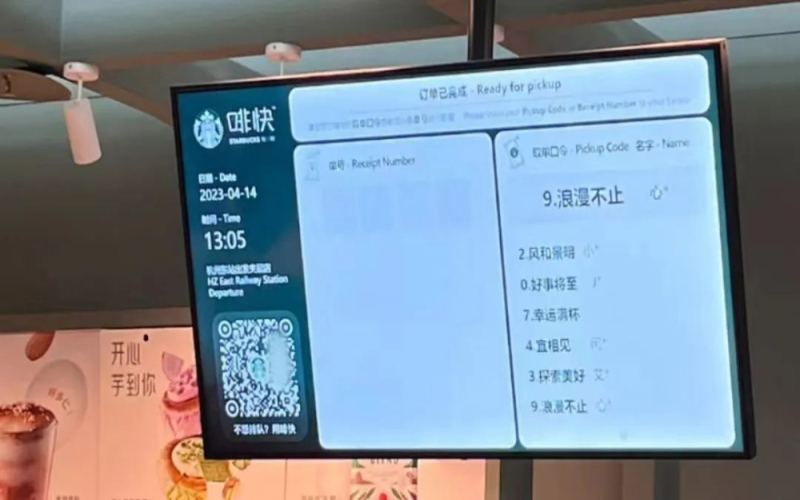
Starbucks Handwritten Cups Are Fading Into History: From Personal Doodles to the Efficiency Shift of Standard Labels
Once upon a time, while waiting for coffee after ordering at Starbucks, the handwritten name, smiley face, or a warm blessing on the cup was a small, everyday joy many people took for granted. Now, this personalized service is quietly disappearing, replaced by uniformly printed label stickers. From customers missing the sense of exclusivity brought by handwritten cups, to baristas facing the dual pressures of labor shortages and complaint risks, to the "Fei Kuai" service driving standardized processes, the era of Starbucks handwritten cups seems to have gone forever. This article reviews the rise and fall of handwritten cups, explores the debate between efficiency and ritual behind it, and what this change means for coffee lovers and store operations. [more…]
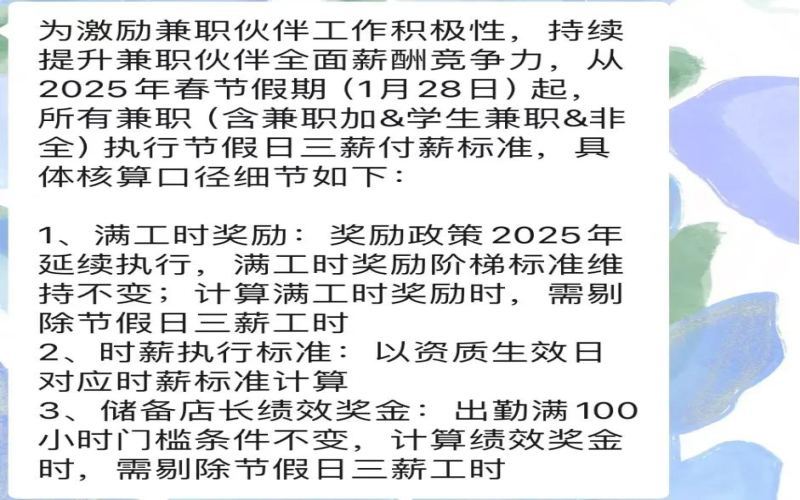
Luckin Coffee implements triple holiday pay for all employees for the first time, part-time staff included
Recently, Luckin Coffee reportedly announced that it will pay triple holiday wages to all employees for the 2025 Spring Festival, breaking the previous practice of only full-time employees receiving this benefit. Behind this move lies the high turnover rate and labor shortage that Luckin has faced over the past year. From cost reduction and efficiency improvement to increased performance demands, frontline employees have come under mounting pressure, and part-time workers' pay is not proportional to their effort, leading many employees to choose to resign before the Spring Festival. In order to retain experienced workers and maintain normal store operations, Luckin has had to respond to the labor shortage with a triple-wage strategy. This article reviews the causes of the incident, employee feedback, and the industry background, and also includes a brand recommendation from Front Street Coffee for readers to gain a deeper understanding. [more…]

Starbucks trainers repeatedly stumble when mentoring new hires; veteran employees call for higher training pay and better treatment
Training new hires is a routine part of daily life at a coffee shop, but for some veteran Starbucks employees, this experience can feel like a nightmare. Recently, an employee shared their ordeal of training part-time new hires during the Spring Festival peak period:违规操作被检查老师抓包、升杯不收钱自掏腰包补差价、牛奶有效期写成1月32号……Each incident was both absurd and amusing. Many peers resonated with this, saying that training is physically and mentally exhausting, and called on Starbucks to give trainers a raise. At the same time, some voices pointed out that letting new hires with only a week on the job work at the bar itself deviates from the training process, and the problem shouldn't be entirely blamed on the newcomers. This discussion about training reflects the current reality of staff shortages in some stores. [more…]
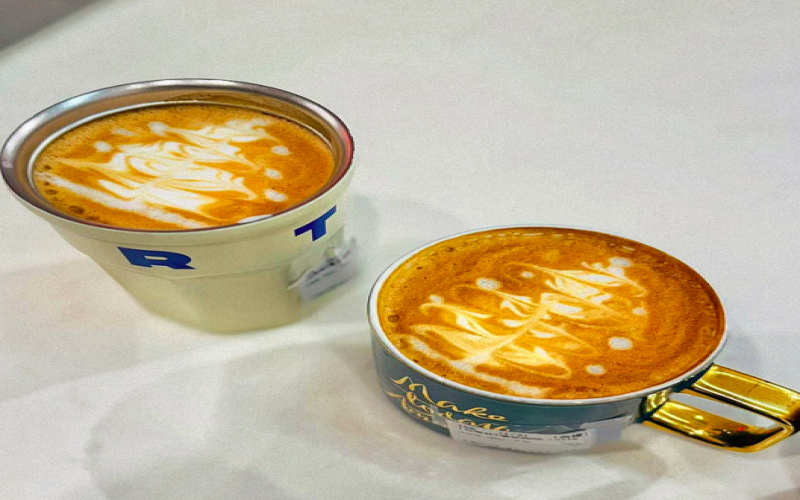
Manner Christmas tree latte art rejected by staff? Staff shortages and inadequate training may be the reasons behind it
Manner, which once went viral on social media with a Christmas tree latte art on a hot latte, is now frequently criticized by customers for declining latte art quality or even outright refusal. From the latte art surprises that were readily available last year to many customers being turned away with their mugs this year, what exactly has happened to Manner's latte art service? Some employees have revealed that severe understaffing at stores has led to a lack of training for new hires, with some new employees starting work just three days after joining, unable to steam milk or pour latte art. Faced with such changes, how should coffee lovers adjust their expectations? This article walks you through the whole story and the reasons behind it, and you are also welcome to check out Front Street Coffee's related product recommendations to find your own perfect cup of coffee. [more…]
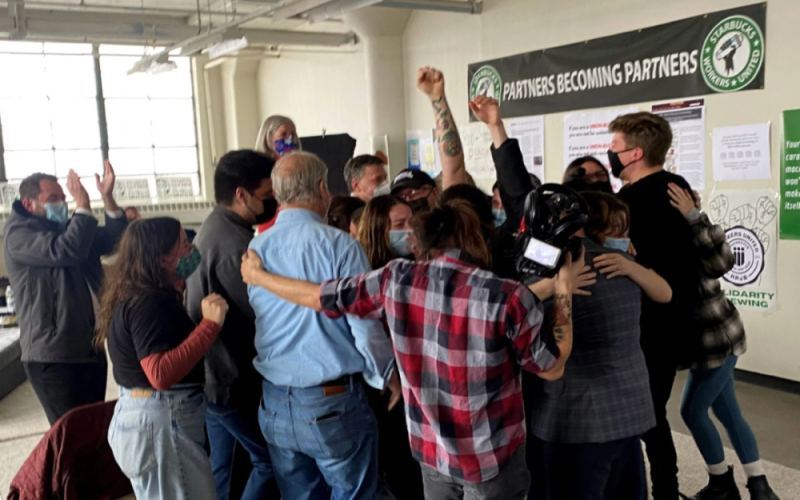
Schultz's Post-Return Benefits Strategy at Starbucks: Why Unionized Stores Are Excluded
After Howard Schultz returned to Starbucks as interim CEO, he immediately suspended billions of dollars in stock buybacks and redirected the funds toward employee benefits and store operations. Some U.S. Starbucks employees saw this move as a victory for union efforts, but Schultz later made clear that the new benefits could not legally cover unionized stores and partners, because federal law requires separate negotiations for the pay and benefits of union members. Labor law experts pointed out that companies have the right to explain differences in benefits, but suggestive maneuvering could constitute an unfair labor practice. This tug-of-war between benefits and unions showcased the shift in Schultz's management style from tough to tender. [more…]
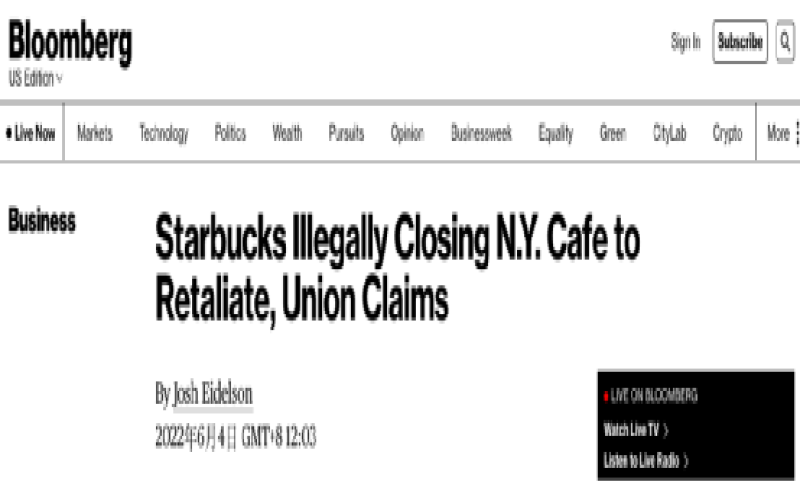
Starbucks store in Ithaca, New York, shut down, union alleges retaliation against unionization movement
As coffee consumption demand continues to climb after the easing of the COVID-19 pandemic, Starbucks employees in the United States are facing multiple pressures, including a surge in workload, understaffing, and aging equipment. Against the backdrop of a unionization wave sweeping across more than a hundred stores nationwide, Starbucks announced that it will close a unionized store in Ithaca, New York, on June 10. The union immediately filed a lawsuit, accusing the decision of violating federal labor law and constituting retaliation against union activity. Starbucks denies any connection, attributing the closure to facilities, staffing, and attendance issues. Both sides hold firmly to their own accounts, and the conflict continues to escalate. [more…]
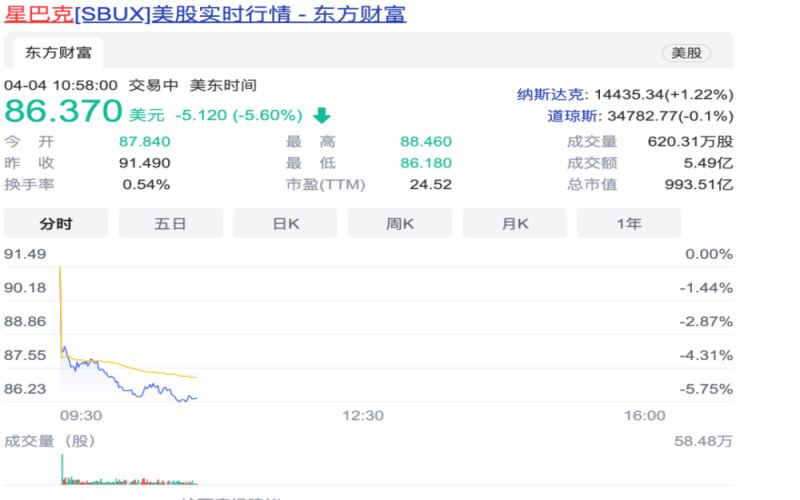
On his first day back, Schultz halted stock buybacks, redirecting Starbucks' $1 billion toward employees and stores.
On his first day back as Starbucks CEO, Howard Schultz announced a pause on the stock buyback program, redirecting funds toward employee benefits and store operations. Behind this decision is a wave of unionization among U.S. Starbucks partners, driven by intense workloads and stagnant benefits. So far, 10 stores have voted to form unions, and more than 170 stores have applied to join. Schultz admitted that the company had let employees down in addressing store operations issues, and plans to invest $1 billion in wages, training, and benefits. This article examines the context of this transformation initiative and its impact on Starbucks' future operations. [more…]